


 Cart
Cart
 Are you just looking for a template, sample, or software for your safety proposals? Click these links to skip down the page and get right to it.
How to Write a Safety Proposal: A Complete Guide Using Proposal Kit
Every year, workplace injuries cost U.S. businesses billions of dollars in direct and indirect costs, making effective safety planning not just a regulatory requirement but a crucial business imperative. Real-world accident case studies highlight the importance of safety training, hazard prevention, and emergency response, showing how analyzing accidents can help prevent future incidents. Writing a comprehensive safety proposal can be the difference between preventing workplace accidents and facing costly regulatory penalties.
Whether you're a safety manager developing a company-wide safety program, a construction company bidding on a project, or an organization seeking to improve your workplace safety measures, creating a professional safety proposal requires careful planning, thorough documentation, and compliance with complex regulations. Safety proposals play a vital role in preventing accidents and fostering a proactive safety culture within your organization.
In this comprehensive guide, you'll discover how to write a safety proposal that not only meets regulatory requirements but also demonstrates your organization's commitment to protecting employees. Using Proposal Kit's proven template system, you'll learn to create professional safety proposals efficiently while ensuring all critical elements are covered. By analyzing past accidents, you can help prevent similar incidents and ensure ongoing workplace safety.
Understanding Safety Proposals and the Proposal Kit Advantage

A safety proposal is a comprehensive document that outlines specific safety measures, training programs, and risk mitigation strategies to protect the workplace. These essential documents serve multiple purposes: they demonstrate regulatory compliance, establish clear safety protocols, and provide a roadmap for creating a safe working environment across your organization.
The challenge many organizations face is that writing effective safety proposals from scratch can take weeks of research, planning, and documentation. This is where Proposal Kit transforms the process entirely.
Proposal Kit provides pre-written safety-related templates, including Risk Assessment, Safety Training, OSHA Compliance, and Emergency Response templates. These professionally created templates address every aspect of workplace safety, from basic safety precautions to complex hazardous-materials-handling procedures.
Using the Proposal Kit's structured approach reduces proposal writing time from weeks to days while ensuring all critical safety elements are covered. The software includes sample safety proposals from construction, manufacturing, and office environments to guide your writing process, making it easier to focus on customizing content rather than starting from a blank page.
Most importantly, Proposal Kit's templates help ensure compliance with OSHA standards and industry-specific safety regulations, helping organizations avoid costly violations and maintain their commitment to employee safety.
Essential Components Every Safety Proposal Must Include
This section provides a comprehensive checklist format with specific examples from Proposal Kit templates to ensure your safety proposal covers all necessary elements. For example, include a rule such as "mandatory use of hard hats in designated construction zones" or a training topic like "fall protection awareness" to clarify what should be addressed in your safety proposal. A well-structured safety proposal must address three core areas: risk identification, protective measures, and emergency preparedness.
Use the Proposal Kit's Safety Plan template as a foundation and customize it to meet industry-specific requirements. The template system guides you through each essential component while allowing flexibility to address your organization's unique safety challenges.
Include quantifiable metrics such as target injury-reduction rates.
Risk Assessment and Hazard Identification
Effective hazard identification forms the foundation of any successful safety program. Use the Proposal Kit's Risk Analysis template to document specific workplace hazards, such as falls, chemical exposure, or equipment-related hazards. This systematic approach ensures no potential safety issues are overlooked during the planning phase.
Include photographs and diagrams to clearly illustrate hazardous areas. Visual documentation helps stakeholders understand risks immediately and supports the implementation of targeted safety measures. The template system accommodates various file formats, making it easy to incorporate site-specific imagery and technical diagrams.
Provide detailed risk matrices with probability and severity ratings for each identified hazard. This quantitative approach allows organizations to prioritize safety interventions based on actual risk levels rather than assumptions. Based on these risk assessment findings, prevention strategies - such as targeted training programs and proactive safety measures - can be developed to mitigate hazards and reduce the likelihood of accidents. Proposal Kit's Risk Assessment templates include pre-formatted matrices that streamline this crucial analysis process.
Cite industry statistics, such as OSHA's 2023 report, which shows that construction accounts for 1 in 5 workplace deaths, to provide context for your safety initiatives. These data points strengthen your proposal's credibility and demonstrate awareness of industry-wide safety challenges that your proposed solution addresses.
Personal Protective Equipment Requirements
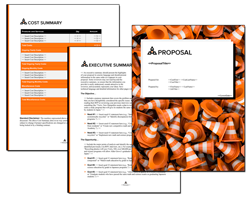
Personal protective equipment serves as the last line of defense against workplace hazards, making detailed PPE specifications crucial for any safety proposal. Use the Proposal Kit's Equipment List template to specify the required PPE for each job function or work area, including hard hats, safety glasses, steel-toed boots, and respiratory protection.
Include cost breakdowns for PPE procurement using Proposal Kit's Cost Summary templates. These detailed financial projections help decision-makers understand the investment required while demonstrating the proposal's thoroughness. The templates automatically calculate totals and can accommodate multiple cost categories for complex equipment specifications.
Detail PPE inspection schedules and replacement protocols with specific timeframes (e.g., hard hat replacement every 5 years) to ensure ongoing protection effectiveness. Regular inspection and replacement protocols maintain equipment integrity while demonstrating your organization's long-term commitment to employee safety.
Specify ANSI standards for each PPE type, such as ANSI Z87.1 for eye protection, to ensure all equipment meets current safety requirements. Proposal Kit templates include reference sections for relevant standards, making it easier to maintain compliance throughout your safety program implementation.
Emergency Response Procedures
Comprehensive emergency response procedures can mean the difference between a minor incident and a workplace tragedy. Integrate the Proposal Kit's Emergency Plan template with site-specific evacuation routes and assembly points to create actionable response protocols that employees can follow during high-stress situations.
Include emergency contact information using the Contact Information template with 24/7 availability details. Emergencies don't follow business hours, so your safety proposal must address around-the-clock response capabilities. The template system organizes contact information clearly, ensuring critical details are easily accessible during emergencies.
Detail response procedures for specific emergencies, including chemical spills, fires, and medical incidents. Each emergency type requires different response protocols, and the Proposal Kit's templates help organize these procedures logically. As part of comprehensive safety planning, it is essential to establish clear reporting procedures for all incidents and emergencies to ensure timely communication and effective response. This detailed approach ensures employees know exactly what actions to take, regardless of the type of emergency they encounter.
Specify the frequency of emergency drills (monthly fire drills, quarterly evacuation exercises) to maintain response readiness. Regular drills identify potential issues with emergency procedures while keeping safety protocols top of mind for employees. The template system includes scheduling tools that help organizations track drill completion and identify areas for improvement.
Key Performance Indicators for Safety Programs
Implementing a robust safety program is essential for organizations seeking to create and maintain a safe working environment, especially in high-risk sectors such as construction. Key performance indicators (KPIs) serve as the backbone for evaluating the effectiveness of your health and safety measures. These essential metrics enable safety managers and officers to track progress, identify potential hazards, and ensure safety measures are properly implemented.
Common KPIs for safety programs include injury and incident rates, near-miss report frequency, participation in safety training sessions, and compliance with OSHA standards. Monitoring the use and condition of personal protective equipment - such as hard hats, gloves, and safety glasses - is another crucial indicator, as it directly impacts the risk of workplace injuries. In the construction industry, tracking these KPIs helps organizations quickly identify trends, address safety issues, and refine their safety program to prevent accidents.
Regularly reviewing and analyzing these key performance indicators enables organizations to make data-driven decisions, improve their safety protocols, and demonstrate a commitment to workplace safety. By focusing on these metrics, companies can ensure their safety programs remain effective, up to date, and aligned with both regulatory requirements and organizational goals.
Step-by-Step Writing Process Using Proposal Kit
This section provides a numbered sequence with specific Proposal Kit features and timeline estimates to streamline your safety proposal development. The structured process eliminates guesswork while ensuring professional results that meet regulatory requirements and stakeholder expectations.
Follow the Proposal Kit's Proposal Pack structure, starting with the Title Page and Table of Contents templates. This professional framework immediately establishes your proposal's credibility and makes it easy for reviewers to navigate. The automated formatting ensures consistency throughout your document. When using the Project Description template, be sure to clearly define the project scope, particularly regarding safety measures and procedures. Outlining the project scope from a safety perspective helps ensure that all relevant safety considerations are addressed for the specific construction activities involved.
Allow time for the initial draft to be completed using the Proposal Kit's template system. This realistic timeline accounts for content customization while leveraging the efficiency gains from pre-written templates. Organizations can complete professional safety proposals in a fraction of the time required for traditional writing approaches.
Plan for an additional time for customization and stakeholder review. Quality safety proposals require input from multiple departments and careful review to ensure accuracy. The template system's collaborative features support efficient review cycles while maintaining document integrity.
Initial Planning and Template Selection

Begin with the Proposal Kit's Wizard to identify relevant templates for your specific industry. The Wizard streamlines template selection by letting you choose topics based on your organization's safety needs and regulatory requirements. This approach ensures you're using the most appropriate templates for your situation.
When populating templates, be sure to include the company's name and contact information in site-specific safety plans, as this is essential for clear communication and accountability.
Use the Project Description template to outline proposal scope and objectives. Clear scope definition prevents scope creep while ensuring all stakeholders understand the proposal's intended outcomes. The template provides prompts that help identify key project parameters and success metrics.
Select from several safety-related templates, including Training Plan, Safety Procedures, and Compliance templates, based on your specific requirements. Each template addresses different aspects of workplace safety, allowing you to create comprehensive proposals that cover all necessary elements without redundancy.
Customize the Proposal Kit's proposal outline to match your organization's requirements and stakeholder expectations. The flexible template system accommodates various organizational structures and reporting preferences while maintaining professional standards throughout.
Content Development and Customization
Populate Proposal Kit templates with organization-specific information, including company name, project details, and safety personnel. The template system includes placeholder text and formatting guides that make customization straightforward. This structured approach ensures consistency while incorporating your organization's unique requirements.
Use the Proposal Kit's integrated editing tools to modify template content while maintaining professional formatting. The software automatically preserves professional design elements, allowing you to focus on content rather than formatting. This feature is particularly valuable for organizations without dedicated design resources.
Include specific implementation timelines, such as a 30-day training rollout or a 60-day equipment procurement schedule, to demonstrate project feasibility. Realistic timelines build stakeholder confidence while providing clear project management milestones. The template system includes scheduling tools that help visualize project phases and dependencies.
Integrate your company logo and branding using Proposal Kit's design customization features. Professional branding reinforces your organization's credibility while ensuring the proposal aligns with existing marketing materials. The system supports various image formats and maintains design consistency throughout the document.
Employee Roles and Expectations in Safety
A successful safety program relies not only on well-designed policies but also on the active participation of every employee. Clear roles and expectations are essential for fostering a safe working environment, whether on a construction site or within an office setting. Employees are expected to follow established safety precautions, report any incidents or near misses promptly, and participate fully in safety training programs.
Using personal protective equipment as required - such as hard hats, safety vests, or respiratory protection - is a fundamental responsibility for all employees. Employers, in turn, must ensure that staff are adequately trained, informed about potential hazards, and equipped with the necessary safety gear. Open communication about safety measures and regular reinforcement of safety protocols help create a culture where everyone feels responsible for workplace safety.
By involving employees in the safety process, organizations can more effectively identify hazards, implement safety measures, and prevent accidents. This collaborative approach not only reduces the risk of incidents but also empowers employees to contribute to ongoing improvements in the company's safety program.
Industry-Specific Safety Proposal Considerations
This section highlights how Proposal Kit addresses industry requirements by offering specific template recommendations tailored to sector-specific challenges. Different industries face unique safety risks that require specialized approaches, and your safety proposal must address these specific concerns to be effective.
Reference industry-specific regulations and standards while showing relevant Proposal Kit templates that address these requirements. It is also essential to maintain an up-to-date safety manual that outlines protocols and procedures for various emergencies and site conditions, such as weather-related events, to ensure worker safety. The template library includes specialized content for industries ranging from construction to manufacturing to healthcare. This industry-specific approach ensures your proposal addresses the most relevant safety concerns.
Include sector-specific statistics and benchmarks for measuring safety performance. Industry benchmarks provide context for your proposed safety improvements while demonstrating awareness of sector-wide challenges. These data points help justify proposed interventions and establish realistic performance targets.
Construction Safety Proposals
Construction sites present unique safety challenges that require specialized attention in safety proposals. Use the Proposal Kit's construction safety templates addressing fall protection, excavation safety, and scaffolding requirements to ensure comprehensive coverage of construction-specific hazards.
Address OSHA's "Fatal Four" construction hazards: falls (33.5% of deaths), being struck by objects (11.1%), electrocution (8.5%), and being caught-in/between (7.3%) in your safety proposal. These statistics highlight the most critical risks in construction work and should guide your proposal's safety priorities. Proposal Kit's construction templates specifically address each of these hazard categories.
Include site-specific safety plans using the Proposal Kit's Site Plan template with detailed hazard maps. Construction projects involve multiple phases with changing risk profiles, requiring dynamic safety planning. The template system accommodates these complexities while maintaining clear documentation throughout project phases.
Specify required certifications, such as OSHA 10-hour or 30-hour training completion, within 90 days of hire. Construction workers need specialized safety training to work safely on job sites. The template system includes training tracking templates that help organizations monitor certification compliance and identify training needs.
Manufacturing and Industrial Safety Proposals
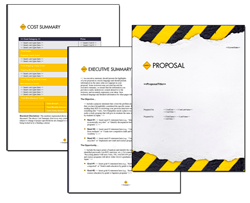
Manufacturing environments require safety proposals that address machinery hazards, chemical exposures, and process safety concerns. Use the Proposal Kit's Equipment Safety and Machinery templates to address lockout/tagout procedures and machine guarding requirements that protect workers from mechanical hazards.
Include chemical safety protocols using the Hazardous Materials template with MSDS management procedures. Manufacturing facilities often use various chemicals that require specific handling, storage, and emergency response procedures. The template system organizes this complex information clearly while ensuring regulatory compliance.
Detail noise exposure controls referencing OSHA's 90 dBA 8-hour exposure limit to protect worker hearing. Manufacturing environments frequently exceed safe noise levels, requiring engineering controls, administrative controls, or hearing protection. The templates include guidance on noise assessment and control strategies.
Specify industrial hygiene monitoring schedules, including quarterly air quality assessments. Manufacturing processes can create airborne contaminants that require ongoing monitoring to protect worker health. Proposal Kit's monitoring templates help organizations establish comprehensive surveillance programs that identify potential exposures before they become health problems.
Leveraging Proposal Kit Templates and Tools
This section showcases specific Proposal Kit features that enhance the quality and efficiency of safety proposals while reducing the time and expertise required to create professional documents. The software's comprehensive template library and integration capabilities transform safety proposal writing from a complex challenge into a manageable process.
Provide concrete examples of how templates save time and improve proposal consistency across different projects and departments. Organizations can maintain high standards while reducing the variability that often occurs when different people write similar documents. This consistency improves both internal processes and external perceptions of professionalism.
Highlight integration capabilities with other business systems and reporting tools that streamline ongoing safety management. Modern safety programs require data integration and reporting capabilities that extend beyond initial proposal writing. Proposal Kit's compatibility with various systems supports the long-term success of the safety program.
Here are some related samples included in every downloadable Proposal Pack
The AI Writer generates a first draft of these templates - customized to your company, client, and project - in just minutes, giving you a head start on editing. Get any Proposal Pack or Proposal Kit Professional, and all of these samples, and the AI Writer are included.
Here are some related downloadable templates
The AI Writer generates a first draft of these templates - customized to your company, client, and project - in just minutes, giving you a head start on editing. Get any Proposal Pack or Proposal Kit Professional, and all of these templates and the AI Writer are included.
Pre-Built Safety Templates
Access the Proposal Kit's library of safety-related templates, including Safety Audit, Training Program, and Cost-Benefit Analysis templates. This comprehensive collection addresses virtually every aspect of workplace safety, from basic safety awareness to complex technical procedures. The templates provide professionally written content that can be customized for specific situations.
Use the Safety Training template to structure programs covering topics like hazard communication, first aid, and equipment operation. Effective safety training requires careful curriculum design and clear learning objectives. The template system provides proven frameworks that improve training effectiveness while reducing development time.
Use Budget templates to calculate safety program costs, including an average of $1,200 per employee for OSHA 30-hour training. Accurate cost projections help organizations plan safety investments while demonstrating fiscal responsibility. The templates include cost categories and calculation tools that ensure comprehensive budget development.
Customize the Implementation Schedule template to show phased safety program rollout over 6-12 month periods. Complex safety programs require careful scheduling to minimize disruption while ensuring thorough implementation. The template system provides visual scheduling tools that help stakeholders understand project timelines and dependencies.
Visual Integration and Reporting Features
Insert safety diagrams, flowcharts, and organizational charts using Word's visual template library. Visual elements enhance understanding while making complex procedures more accessible to diverse audiences. The template system accommodates various visual formats while maintaining professional design standards.
Generate executive summaries automatically using Proposal Kit's summary generation tools. Busy executives need concise overviews that highlight key points and recommendations. The automated summary feature extracts critical information while maintaining consistency with the full proposal content.
Create professional charts that show safety metrics, such as injury frequency rates and workers' compensation costs. Data visualization helps stakeholders understand safety performance trends and supports evidence-based decision-making. The template system includes chart templates that present safety data clearly and professionally.
Export proposals to PDF format for easy distribution to stakeholders and regulatory agencies. Professional document distribution requires consistent formatting across different devices and software platforms. The PDF export feature ensures your safety proposal maintains its professional appearance regardless of how it's viewed or printed.
Implementation and Follow-Up Strategies
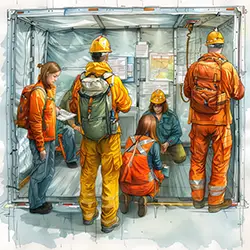
This section outlines post-proposal activities using Proposal Kit's project management templates to ensure your safety program achieves its intended outcomes. Writing the proposal is only the first step; successful safety programs require ongoing implementation, monitoring, and improvement activities.
Include specific metrics and timelines for measuring the success of the safety proposal. Measurable objectives enable organizations to track progress while identifying areas that need additional attention. The template system includes metric tracking templates that support continuous improvement initiatives.
Detail ongoing monitoring and evaluation processes with quantifiable benchmarks. Effective safety programs evolve based on performance data and changing conditions. Proposal Kit's evaluation templates provide frameworks for systematic assessment and program refinement.
Training and Communication Plans
Use the Proposal Kit's Training Schedule template to plan quarterly safety meetings and annual refresher courses. Ongoing training ensures safety knowledge remains current while addressing new hazards or procedures. The template system includes scheduling tools that help organizations maintain consistent training delivery.
Implement safety communication programs using the Communication Plan template with monthly safety newsletters. Regular communication reinforces safety messages while keeping safety visible in daily operations. The template provides communication frameworks that ensure consistent messaging across different channels and audiences.
Track training completion rates with targets of 100% initial training within 30 days and 95% annual recertification. Training tracking demonstrates regulatory compliance while identifying individuals who need additional support. The template system includes tracking tools that simplify training administration and reporting.
Document training effectiveness through post-training assessments and incident rate tracking. Training programs should produce measurable improvements in safety knowledge and performance. Proposal Kit's assessment templates help organizations evaluate training effectiveness while identifying opportunities for improvement.
Performance Monitoring and Evaluation
Establish key performance indicators using Proposal Kit's Metrics template, including OSHA recordable incident rates and near-miss reporting. Effective safety programs require multiple performance measures that provide early warning of potential problems. The template system organizes these metrics clearly while supporting trend analysis.
Schedule monthly safety audits using the Audit Plan template with standardized checklists and scoring systems. Regular audits identify gaps in the safety program while ensuring ongoing compliance with established procedures. The template provides audit frameworks that ensure consistency across different locations and auditors.
Set measurable goals such as zero lost-time injuries and a 25% reduction in workers' compensation premiums within two years. Specific, time-bound objectives focus organizational attention while providing clear success criteria. The template system includes goal-setting tools that help organizations establish realistic yet challenging targets.
Create quarterly progress reports using Proposal Kit's Progress Report template to demonstrate the effectiveness of the safety program. Regular reporting keeps stakeholders informed while maintaining organizational commitment to safety improvement. The templates provide professional reporting formats that highlight achievements and identify areas needing additional attention.
Writing an effective safety proposal requires careful planning, thorough documentation, and ongoing commitment to workplace safety. By leveraging Proposal Kit's comprehensive template system, organizations can create professional safety proposals efficiently while ensuring all critical elements are covered. The structured approach saves time, improves consistency, and enhances the likelihood of proposal acceptance and successful implementation.
Remember that the goal extends beyond regulatory compliance to create genuinely safe working environments that protect employees while supporting business success. Start creating your professional safety proposal today with Proposal Kit's proven templates and guidance to transform your organization's approach to workplace safety.
Best Practices for Writing a Safety Proposal
Crafting a comprehensive safety proposal is a crucial step in addressing workplace hazards and promoting a culture of safety within your organization. Begin with a clear executive summary that outlines the proposed solution and its anticipated benefits. Follow this with an introduction that defines the safety issues your proposal aims to address, setting the stage for the rest of the document.
Clearly outline the scope of your project, specifying objectives, the methods for achieving them, and a detailed budget. Address potential hazards through a thorough risk assessment, and describe the safety measures you plan to implement, such as emergency response procedures and reporting protocols. Highlight the importance of safety training and the use of personal protective equipment, ensuring your proposal aligns with OSHA standards and other relevant regulations.
Throughout your proposal, use precise language and provide supporting data where possible. By following these best practices, you'll create a safety proposal that not only meets regulatory requirements but also demonstrates your organization's commitment to preventing injuries and accidents, ultimately fostering a safer workplace for all.
 Proposal Kit Professional provides the most content, including legal contracts and a free design theme pack. Plus, advanced software features include custom branding and customizable quoting databases.
 Proposal Pack for Any Business covers this type of proposal and includes samples. There are also some commonly used specialty design themes available:
Photo Design Proposal Packs


Common Mistakes to Avoid in Safety Proposals
Even the most well-intentioned safety proposals can fall short if common mistakes are not avoided. One frequent error is failing to conduct a comprehensive risk assessment, leading to overlooked hazards and insufficient safety measures. Another pitfall is failing to involve key stakeholders - such as safety officers and employees - in the proposal development process, leading to a lack of support and engagement with the safety program.
Proposals that lack specific, measurable objectives or a clear plan for implementation and evaluation are less likely to achieve their intended outcomes. Underestimating the budget required for effective safety initiatives can also undermine the program's success, as can ignoring the long-term benefits of investing in workplace safety, such as reduced injuries, improved productivity, and regulatory compliance.
To create a strong safety proposal, ensure that your plan is thorough, inclusive, and realistic. Set clear objectives, allocate sufficient resources, and establish processes for ongoing evaluation and improvement. By avoiding these common mistakes, organizations can develop proposals that truly support a safe working environment and the health of all employees.
Additional Resources for Safety Proposals
Enhancing your safety proposal is easier when you leverage the wealth of resources available to organizations today. Start by consulting safety manuals and guidelines from regulatory bodies like OSHA, which offer comprehensive information on workplace safety standards and best practices. Online templates and examples of successful safety proposals can provide valuable inspiration and a solid foundation for your own documents.
Engaging with safety experts or consultants can offer tailored advice on the latest safety measures and technologies relevant to your industry. Participating in safety training programs and workshops not only improves employee skills but also provides insights into effective safety program implementation. By utilizing these resources, organizations can create well-informed, innovative safety proposals that address their unique needs and contribute to a safer, healthier workplace for everyone.

 Facebook
 YouTube
 Bluesky
 Search Site